My path into professional voiceover has been built around structured training, repeated studio practice, and learning the technical side of producing clean, usable audio rather than treating voiceover as simply reading into a microphone.
Graduating the Voiceover Core Curriculum
On October 22, 2025, I graduated from the Voiceover Core Curriculum at the School of Acting & Voiceover. My certificate recognizes proficiency in voiceover, acting, and production and completion of the program’s core requirements.
I trained personally under Sarah Jones-Larson and Dave Larson in the Minneapolis–Saint Paul area. My training was consistent for approximately one year and covered both performance and the practical production skills required to work from a professional recording environment.
What My Voiceover Training Covered
The curriculum went well beyond learning how to produce a pleasant read. My training included acting and script interpretation, natural and conversational delivery, breath control, microphone presence and technique, articulation, taking direction, repeated on-mic practice, recording and production workflow, and the process of developing performances for different types of voiceover work.
Training also included the technical side of voiceover: building and improving a recording space, understanding sound treatment, recognizing reflections and unwanted room sound, microphone placement, recording technique, and developing a workflow capable of producing clean audio for clients. That technical training became particularly important as I developed my own recording environment.
Genre work and practice included areas such as commercial voiceover, narration, corporate and eLearning-style reads, promotional performance, character work, and other forms of recorded voice performance. A major emphasis throughout the training was learning to sound natural rather than simply sounding like someone who is reading copy.
Level 3 Certified Studio
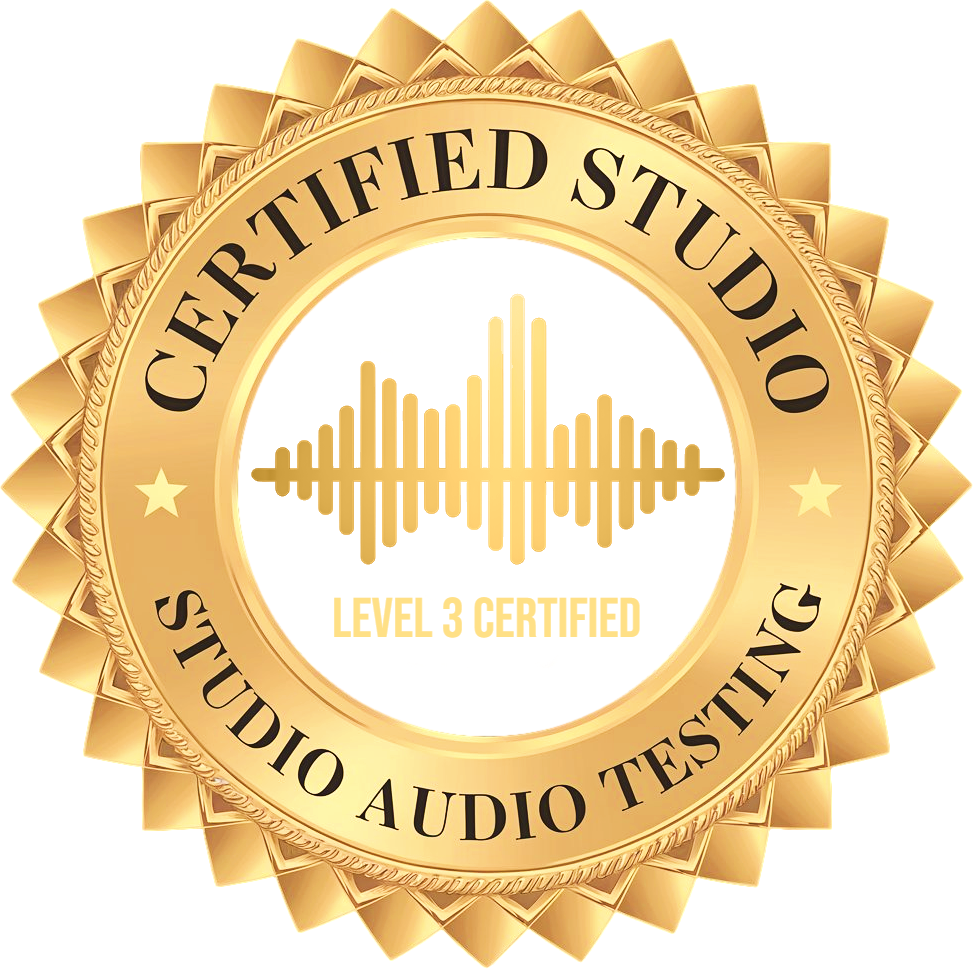
In addition to completing the core voiceover curriculum, my recording environment earned Level 3 Certified Studio recognition through the School of Voiceover. The studio side of the training reinforced something that matters on every job: performance is only half of professional voiceover. The recording itself has to be clean, controlled, consistent, and usable by the client.
My Voiceover Credentials
Training Into Professional Work
Since completing the program, I have continued developing 9Line Studio while working across narration, character performance, dubbing and multimedia production. I also produce and edit audio and video, which gives me a useful understanding of what happens to a voice track after it leaves the booth.
Voiceover is a craft I intend to keep developing. The certificates represent completed milestones, but the more important part of the training is the working foundation behind them: acting, natural communication, microphone control, recording technique, acoustic awareness, production, and the discipline to keep practicing.
Leave a Reply